
The evolution of gambling tracing its historical roots and cultural significance
Historical Origins of Gambling
The roots of gambling stretch back to ancient civilizations, where games of chance were often intertwined with cultural and religious practices. Archaeological evidence suggests that dice were used as far back as 3000 BC in Mesopotamia, a region known for its advanced society. These early games were more than just entertainment; they played a role in decision-making, divination, and social bonding. Today, many individuals explore activities like bitcoin casino slots as part of their gaming experiences.

In ancient Rome and Greece, gambling was further institutionalized. Romans enjoyed betting on gladiatorial contests, while Greeks engaged in various forms of betting on athletic competitions. These activities reflected a societal acceptance of gambling, illustrating its deep cultural significance and role in community life.
Gambling Through the Ages
As societies evolved, so did gambling. The Middle Ages saw the emergence of games like cards, which spread throughout Europe and became popular among different social classes. The invention of printing in the 15th century enabled the distribution of gaming materials, contributing to the rise of gambling houses and the establishment of more formalized betting practices.
The transition into the modern era brought about significant changes in gambling culture, particularly with the establishment of state-run lotteries and the legalization of casinos. The industrial revolution further fueled gambling’s growth, as urbanization created environments ripe for gaming establishments. This evolution reflects a shift in gambling from informal social gatherings to a regulated industry.
Modern Gambling and Its Cultural Impact
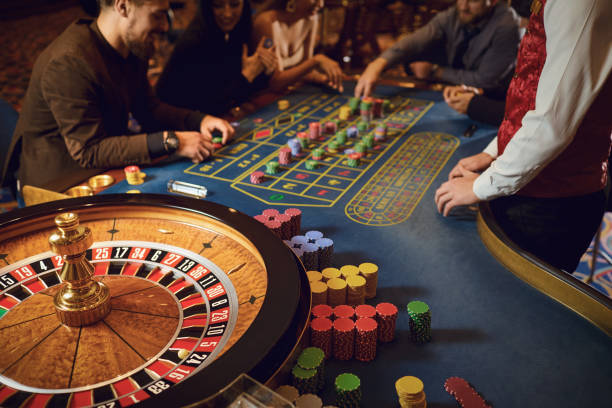
Today, gambling is a multibillion-dollar global industry that plays a crucial role in many economies. The cultural significance of gambling has transformed, with it now being viewed both as a form of entertainment and as a potential social issue. In many cultures, gambling is celebrated during festivals and events, highlighting its role in social cohesion.
However, the rise of gambling also brings challenges, such as addiction and economic disparity. Societies grapple with finding a balance between promoting responsible gambling and addressing the potential risks associated with it. This ongoing dialogue reflects the complex relationship that modern cultures have with gambling.
Responsible Gambling Practices
With the growth of the gambling industry, the importance of responsible gambling practices has become a focal point. Organizations and governments emphasize education and awareness to help individuals understand the risks involved in gambling. This includes promoting self-exclusion programs and responsible gaming environments in casinos and online platforms.
Responsible gambling initiatives aim to reduce the negative impacts on individuals and communities. By fostering a culture of accountability, these practices encourage players to engage with gambling as a form of entertainment rather than a means to solve financial issues. The evolution of gambling is not just about growth; it’s also about creating a sustainable and responsible framework for future generations.
Postlight’s Role in Digital Development
Postlight is dedicated to enhancing digital experiences across various industries, including the gambling sector. With tools that empower organizations to build and manage their digital presence efficiently, Postlight supports the evolution of gaming platforms in an increasingly competitive market.
By focusing on creativity and innovation, Postlight enables businesses to navigate complex workflows and improve user engagement. As gambling continues to evolve, having the right digital tools and strategies will be crucial for maintaining a responsible and engaging environment for all players.